
Flat-Rate Pricing for Customer Support Software: The Real Maths Behind Unlimited Agents
If you've ever felt that flutter of dread before opening your customer support software invoice, you're not imagining it. Per-agent pricing looks affordable when you're small, but the maths turns against you fast. Most per-seat customer support software charges somewhere between £12 and £80 per agent per month, depending on the tier. A 10-person team can easily pay £150–£790/month, while a 25-person team can cross £1,000–£2,000/month, all for the same core features you started with.
Flat-rate pricing, like Sonny's £19.99/month plan for unlimited agents, typically breaks even against per-seat tools by your first or second hire, and the value only gets better as your team grows.
Grab a coffee. I want to walk you through the actual numbers, with the assumptions laid out plainly so you can sanity-check them against your own quotes. Not vague warnings about "pricing that scales poorly," but real figures at 3, 10, and 25 agents, so you can see where the gap opens up and calculate your own break-even point before your next renewal.
A quick note on these numbers, so you can trust them: I'm using three illustrative pricing tiers, Low (£15/agent/month), Mid (£49/agent/month), and High (~£79/agent/month), that reflect the typical published range for per-seat help desk software at the time of writing. These aren't tied to one specific vendor, because plans and prices change often and feature sets vary between providers, even at similar price points. I'll use these same three tiers consistently through every example below, so the numbers stay comparable as the team grows. All figures are monthly, in GBP, and shown before VAT. Check whether a vendor's advertised price includes VAT and whether you're looking at monthly or annual billing, since annual plans often come with a discount that changes the maths.
How Much Does Per-Agent Customer Support Software Cost for 3 Agents?
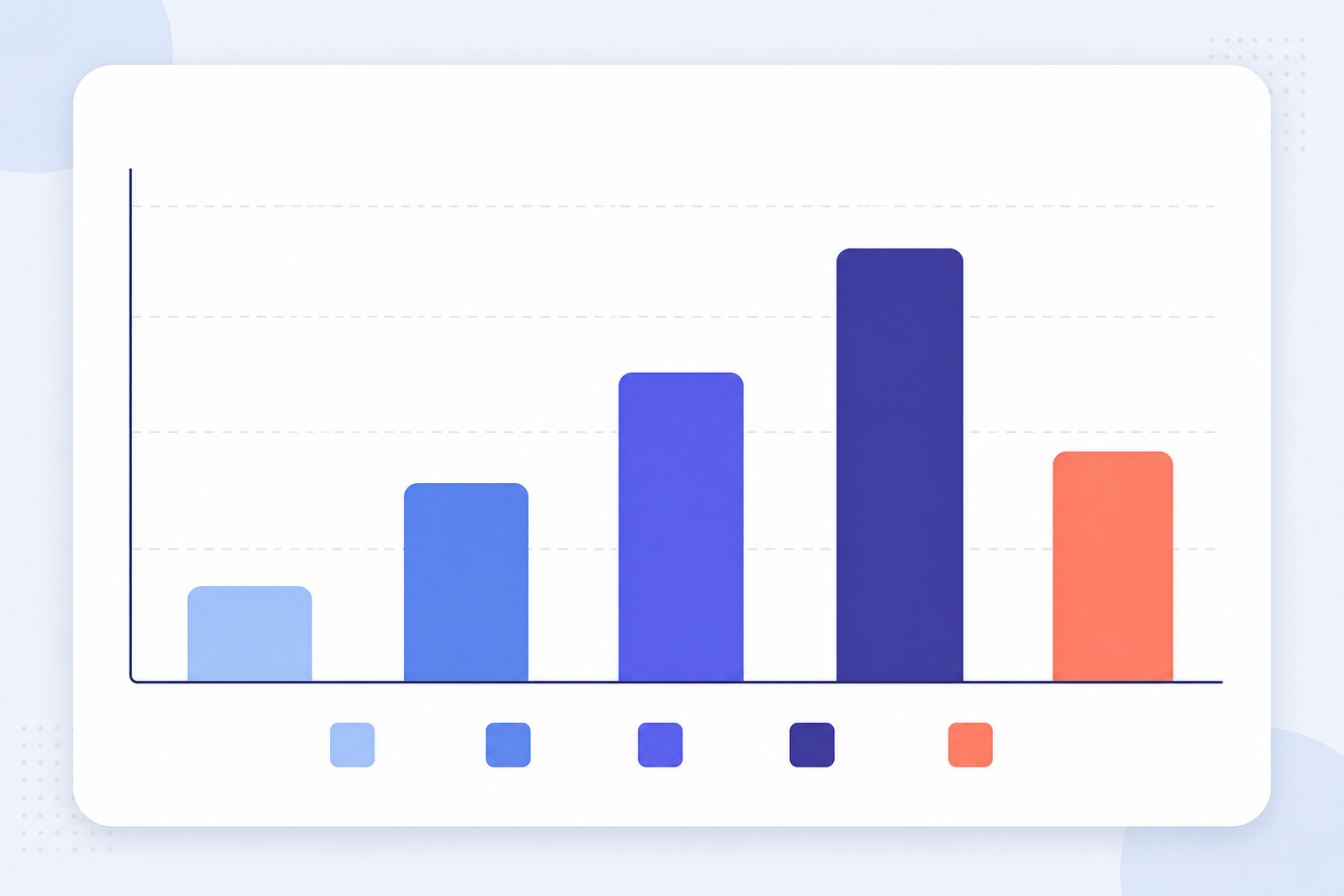
Here's the thing about per-agent pricing: it's designed to look reasonable when you're tiny. And honestly, at three agents, it usually is.
Using our three benchmark tiers:
- Low tier (~£15/agent/month): 3 agents = £45/month, or £540/year
- Mid tier (~£49/agent/month): 3 agents = £147/month, or £1,764/year
- High tier (~£79/agent/month): 3 agents = £237/month, or £2,844/year
See the problem yet? Not really, and that's exactly the trap. At this size, even the priciest option feels like a rounding error in your monthly software spend. Most founders and support leads evaluate customer support software at exactly this stage: a small team, a quick comparison, a decision made in an afternoon. Nobody's pulling out a spreadsheet to model headcount 18 months out when they're just trying to get live chat working before launch.
But per-agent pricing isn't built to be fair at scale. It's built to be palatable at entry. Seat-based software tends to get more expensive as you grow, because that's how the underlying economics work: more seats, more revenue, same core product.
Why Customer Support Software Costs Jump at 10 Agents
Fast forward a year. You've hired a few more support reps, maybe brought someone on part-time for weekend coverage, and suddenly you're not comparing three numbers, you're comparing ten.
Using the same three tiers:
- Low tier (~£15/agent/month): 10 agents = £150/month, or £1,800/year
- Mid tier (~£49/agent/month): 10 agents = £490/month, or £5,880/year
- High tier (~£79/agent/month): 10 agents = £790/month, or £9,480/year
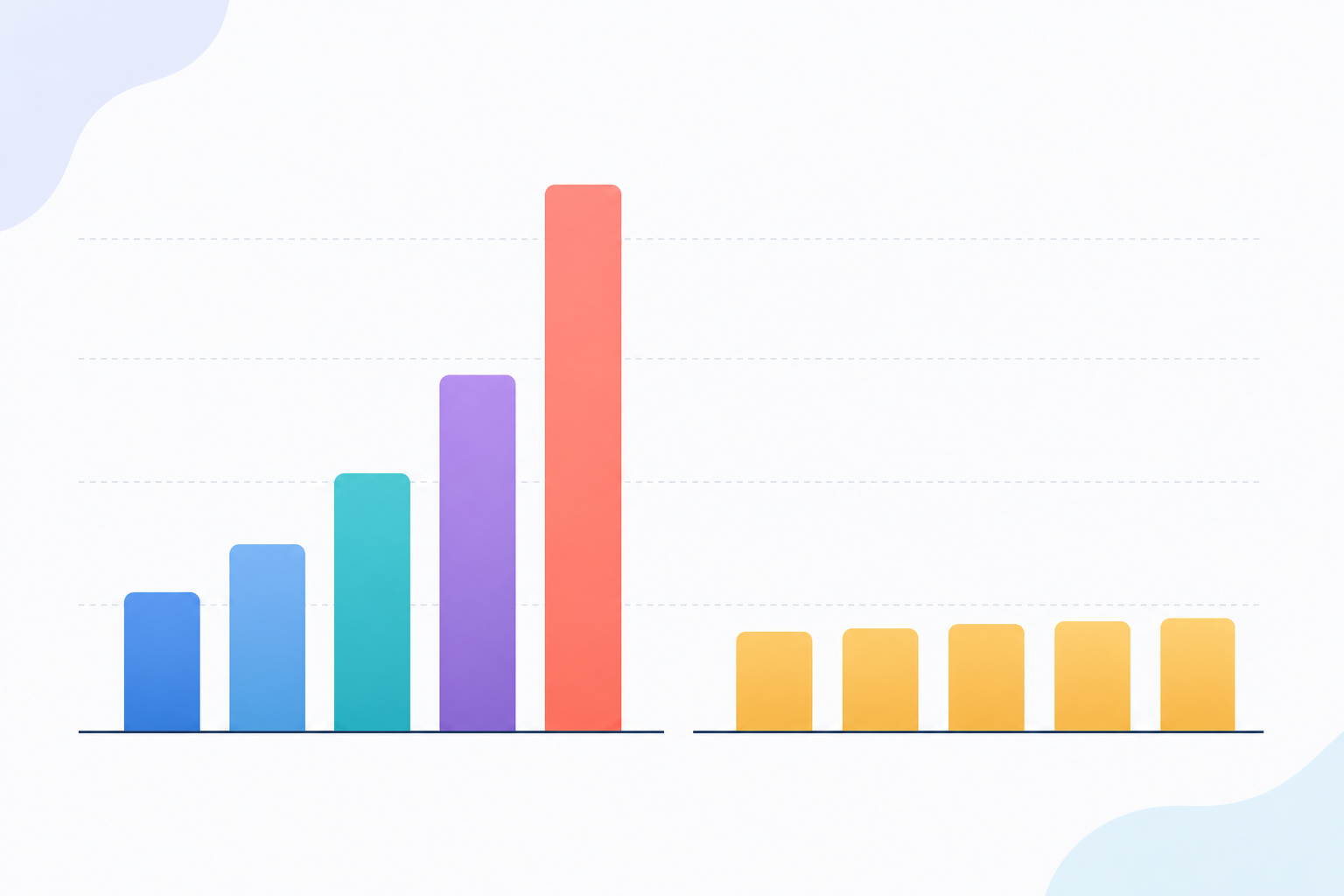
That's not a small jump. Going from 5 to 10 agents on a £49-per-agent plan doubles your base subscription, from £245 to £490 a month, before you've added a single new feature.
This is also where I see teams get squeezed by a second, sneakier cost: feature gating. A lot of per-seat customer support software doesn't just charge more per agent as you grow, it also nudges you toward higher tiers to unlock reporting, automation, or integrations you actually need at this size. So you're not just paying for more seats; sometimes you're paying more per seat too, just to get functionality your growing team requires.
And here's the psychological bit worth naming: teams usually feel the pain at 10 agents, but they rarely switch yet. Migrating a shared inbox, retraining agents on new tagging conventions, moving historical conversation data, all of it can feel riskier than just paying the bill. I get it. Change is annoying. But this is exactly the point where running the numbers pays off, because the gap only widens from here.
Is Per-Agent Pricing Still Affordable at 25 Agents?
Now let's talk about the size where per-agent pricing stops being an inconvenience and turns into an actual budget conversation, the kind that gets flagged in a finance meeting.
At 25 agents, using the same three tiers:
- Low tier (~£15/agent/month): 25 agents = £375/month, or £4,500/year
- Mid tier (~£49/agent/month): 25 agents = £1,225/month, or £14,700/year
- High tier (~£79/agent/month): 25 agents = £1,975/month, or £23,700/year
Here's what makes this particularly painful for SaaS and e-commerce teams: growth from 3 to 25 agents often doesn't take years. For a fast-growing support operation, it can happen in 12–18 months, especially if you're scaling seasonal coverage around big sales periods or launching in new markets. The pricing model that felt generous at launch is now one of your largest recurring software line items, and it grew right alongside the team you were proud of building.
This is also the stage where I start seeing teams do something that genuinely undermines the point of having customer support software at all: rationing seats. Sharing logins between part-time staff. Limiting access for QA reviewers or supervisors who just need visibility. Telling new hires they can't get a proper seat until "budget allows." It defeats the purpose of team collaboration and support automation. You're paying for a tool built to unify your team, then artificially limiting who gets to use it.
Unsurprisingly, this is usually the moment teams start actively Googling alternatives. Not because the software got worse, but because the pricing model finally caught up with reality.
Flat-Rate Pricing vs Per-Agent Customer Support Software
So what does the alternative actually look like? This is where flat-rate pricing, like Sonny's £19.99/month for unlimited agents and unlimited conversations, changes the entire equation.
Illustrative monthly cost scenarios, before VAT, based on the three benchmark tiers used throughout this article:
| Team Size | Low Tier (~£15/agent) | Mid Tier (~£49/agent) | High Tier (~£79/agent) | Sonny Flat-Rate |
|---|---|---|---|---|
| 3 agents | £45/month | £147/month | £237/month | £19.99/month |
| 10 agents | £150/month | £490/month | £790/month | £19.99/month |
| 25 agents | £375/month | £1,225/month | £1,975/month | £19.99/month |
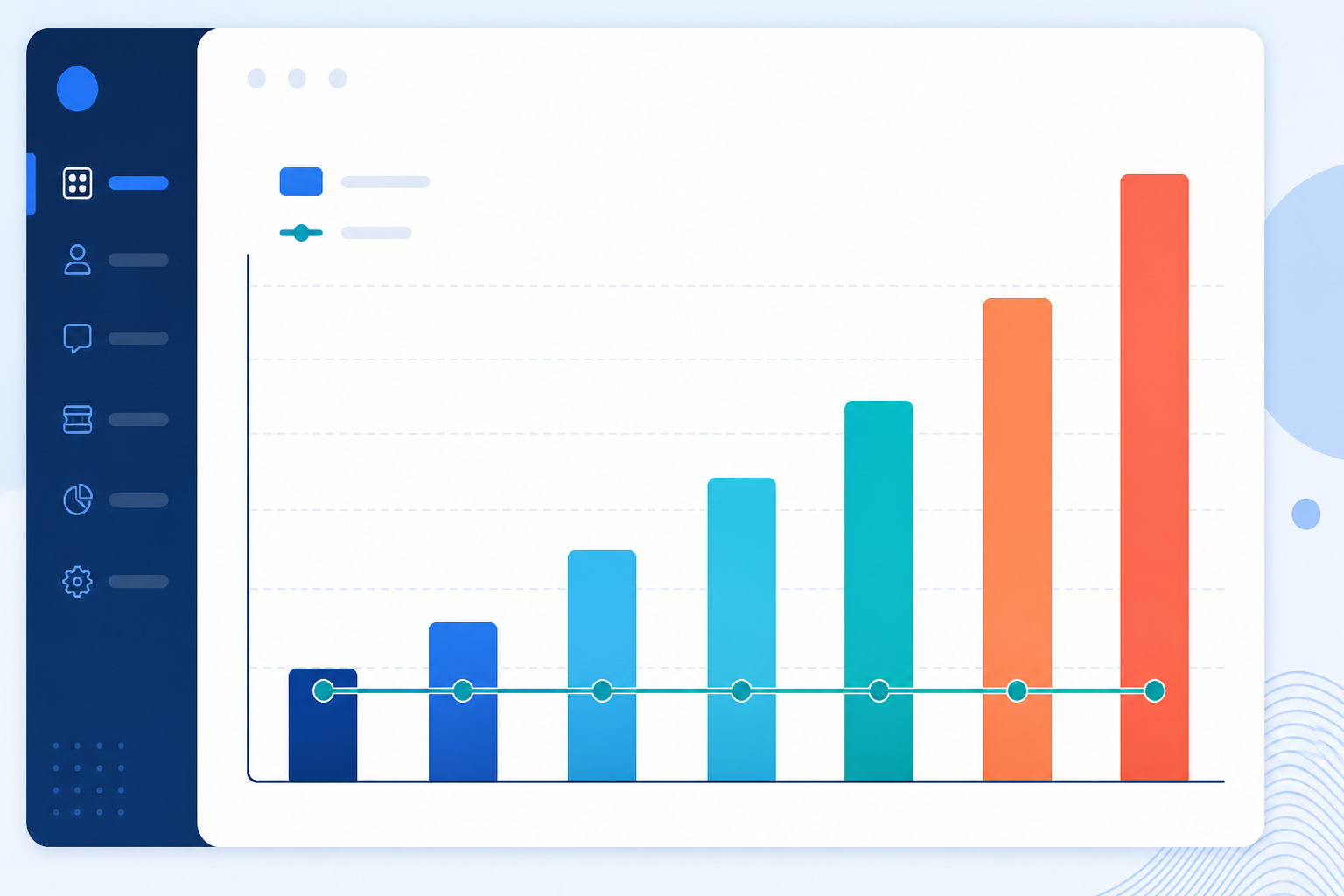
Notice something? The right-hand column never moves. That's the entire point of flat-rate pricing: your headcount and your software bill stop being linked.
It's worth being precise about what "unlimited agents" actually means in practice, since vendors use that phrase loosely sometimes. As of the time of writing, Sonny's £19.99/month plan includes unlimited agent seats and unlimited conversations. That means there's no per-seat penalty for adding a new hire, bringing on a contractor for a product launch, or scaling up seasonal support reps for Black Friday. You add someone to the shared inbox, they start working tickets, and your invoice looks exactly the same as it did last month. As with any vendor, double-check the current pricing page before you commit, since plans and inclusions can change.
It also means you're not managing a patchwork of feature tiers for the core toolkit. Sonny bundles the live chat widget, email-to-ticket forwarding, internal notes, tagging, filtering, and reporting on response times and team performance into that same flat rate, at the time of writing. There's also an AI-powered copilot, trained on your own docs, available to help agents respond faster, functionality that doesn't trigger a per-seat cost increase. That's a meaningfully different model from tools that charge more per agent just to unlock automation.
That said, "unlimited" typically refers specifically to agents and conversations. Always check a vendor's current terms for any caps on storage, integrations, or usage-based add-ons before you assume everything is uncapped.
How to Calculate Your Own Flat-Rate Pricing Break-Even Point
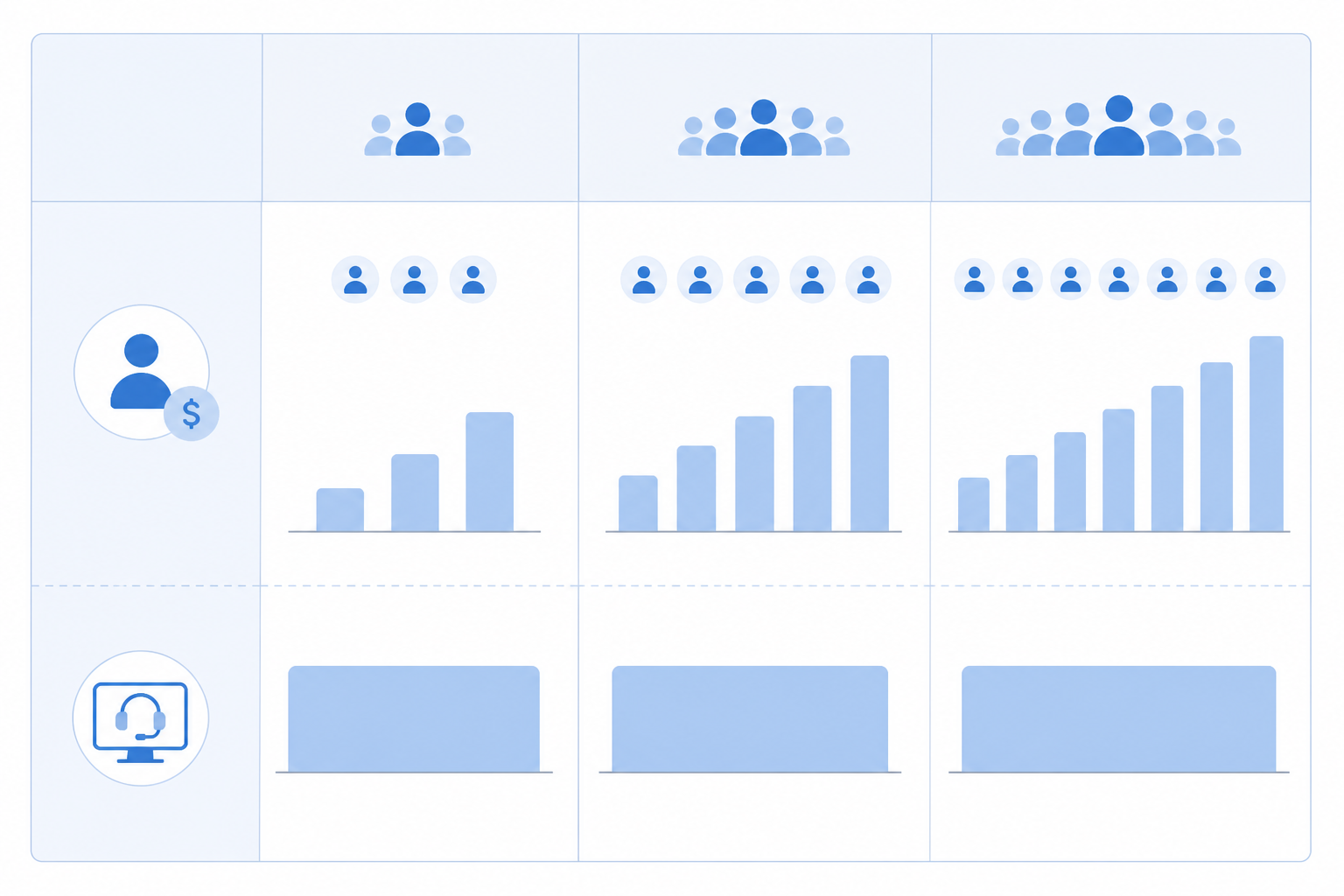
You don't need to take my word for any of this. The maths is yours to run, and it only takes about ten minutes. Here's the process I'd walk through if I were you:
Write down your current per-agent price and multiply it by your current team size. This is your current monthly baseline. Use your actual billed rate, not just the headline price. Annual versus monthly billing and VAT treatment can shift this meaningfully.
Multiply that same per-agent price by your projected team size in 12 months. Be honest here. If you're a growing SaaS or e-commerce brand, don't lowball this number. Support teams tend to grow faster than founders expect, especially around peak seasons. If you expect to cross a plan-tier threshold, note the new per-agent price for that tier too.
Compare both numbers against a flat-rate cost, such as £19.99/month. Line them up side by side. This is usually the moment the gap becomes uncomfortably clear.
Calculate your break-even headcount using this formula: flat monthly price ÷ per-agent monthly price, rounded up to the next whole agent. At a £19.99 flat rate, that works out to roughly 2 agents against a £15/agent plan, and just 1 agent against £25/agent, £49/agent, or £79/agent plans. In other words, for most mid-to-premium per-seat tools, flat-rate pricing is already cheaper from your first support agent, and lower-priced plans only buy you a one-agent head start.
Factor in the hidden costs sitting on top of your per-agent price. Feature-gated tiers, onboarding calls, per-integration fees, and AI usage charges rarely show up in the headline number, but they absolutely show up on your invoice. Add them in before you compare totals.
Once you've run this using your own vendor's current pricing page, you'll probably never look at a per-agent pricing page the same way again.
Frequently Asked Questions About Flat-Rate Pricing and Support Software
How much does per-agent support software cost as a team grows?
It depends heavily on the provider and plan tier, but per-seat customer support software commonly ranges from around £12 to £80 per agent per month. Using that range, a 3-agent team might pay roughly £36–£240/month, while a 25-agent team could pay anywhere from £300 to nearly £2,000/month for the same core feature set, simply multiplied by headcount. Check the vendor's current pricing page and whether VAT is included.
At what team size does flat-rate pricing become cheaper?
Use this formula: break-even headcount = flat monthly price ÷ per-agent monthly price, rounded up. Against Sonny's £19.99/month flat rate, flat-rate pricing is typically cheaper from your first agent if you're comparing against a £25+/agent plan, and by your second agent against a lower £15/agent plan. Past that point, every additional hire is essentially free from a software-cost perspective.
How do I calculate the real cost of my help desk software?
Take your per-agent price and multiply it by both your current team size and your projected team size 12 months from now, using your actual billed rate. Then add any hidden costs, such as fees for reporting features, integrations, or onboarding calls, that often sit behind higher-priced tiers. Compare that total to a flat-rate option to see the real gap, and re-check the vendor's current pricing page since terms change.
Does unlimited agents mean unlimited everything else too?
Not necessarily, and it's worth checking carefully. With Sonny, as of the time of writing, the flat rate includes unlimited agent seats and unlimited conversations, so you're not tracking ticket volume or seat count against a cap for those two things specifically. Other platforms sometimes cap conversation volume even if they don't cap seats, or limit integrations, storage, or AI usage even when seats are unlimited. Check each dimension individually when comparing tools rather than assuming "unlimited" covers the whole product.
The Bottom Line on Flat-Rate Customer Support Software Pricing
Per-agent pricing isn't a scam. It's simply a model that scales its cost directly with your headcount, whether or not you notice it happening. Export your current invoice, write down your actual per-agent rate and team size (both current and projected), and run the break-even formula above against a flat-rate option. Once you see the numbers side by side, the decision tends to make itself.